Most people who walk into a casino or open an online betting app believe they're playing against the house. They're not. They're playing against a number — a small, unglamorous percentage that quietly decides who walks away with money and who doesn't. Understand that number, and the entire iGaming landscape starts to look less like luck and more like arithmetic with a velvet rope around it.
Whether you're spinning slots at 2 a.m., grinding a poker table, or placing a parlay on Sunday afternoon, the same principle applies: the house doesn't need to cheat you. It just needs the math to keep repeating. Here's what's actually happening when you play.
The House Edge Isn't a Scam — It's a Business Model
Every casino game is built around a statistical advantage for the operator. That advantage is called the house edge, and it varies wildly depending on what you're playing.
- Blackjack (with basic strategy): roughly 0.5% house edge
- Baccarat (banker bet): around 1.06%
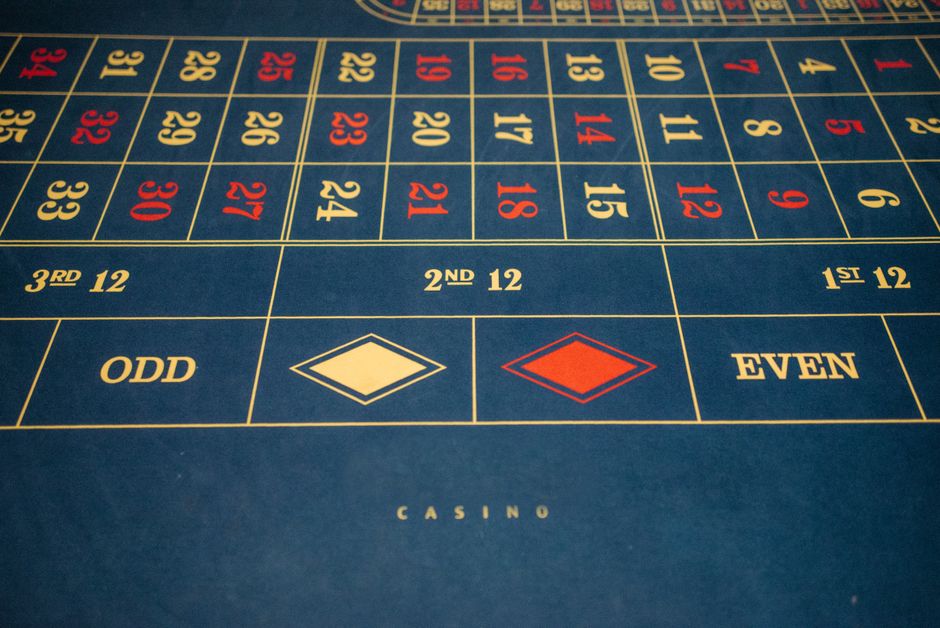
- European roulette: 2.7%
- American roulette: 5.26% (the extra double-zero is brutal)
- Slots: typically 2% to 10%, sometimes higher
- Keno: often 25% to 35%
Notice the pattern? Games with skill elements and slower play tend to have lower edges. Games built purely on chance and speed — slots, keno, scratch cards — bleed faster. That's not an accident. The house edge is calibrated to how often you'll re-bet your money per hour.
Why Slot RTP Numbers Are More Complicated Than They Look
Every regulated slot has an RTP (Return to Player) percentage, usually between 94% and 97%. Beginners interpret this as "I'll get back 96% of what I put in." That's technically true over millions of spins — but it's worthless for a single session.
Here's the thing most players miss: RTP is calculated across an enormous sample size. You could hit a 5,000x jackpot on your third spin and your personal RTP for the night is 15,000%. Or you could play 2,000 spins and never trigger a bonus. The RTP is still doing its job; you're just a blip in the data. For more on this, see mahjong ways.
What actually matters session-to-session is volatility. High-volatility slots like Money Train 3 or San Quentin pay rarely but massively. Low-volatility slots like Starburst pay often but small. A slot with 96% RTP and high volatility will empty your balance faster than a 94% RTP slot with low volatility — because frequency of wins keeps you alive, not just the theoretical return.
A quick gut-check for slots
- Check the RTP in the game info panel (not the marketing page).
- Look at max win and hit frequency if published.
- Match volatility to your bankroll: small bankroll, low volatility. Big bankroll, you can chase high volatility.
- Never judge a slot by a 50-spin test. It tells you nothing.
Poker Is the Only Casino Game Where You're Not the Fish (Sometimes)
Poker sits apart from every other game in a casino because you're not playing the house — you're playing other humans, and the house just takes a rake. That changes everything.
A 5% rake capped at $5 per pot in a $1/$2 cash game sounds tiny. Over a four-hour session with 30 hands per hour, that's 120 pots and potentially $600 raked off the table. If you're a break-even player, you're actually a losing player the moment you sit down. Rach just made your win rate negative.
This is why serious poker players obsess over volume, table selection, and game softness. It's not enough to play well — you need to play where the money is flowing from weaker opponents. A 2bb/100 winner at a tough table is worse off than a 6bb/100 winner at a soft one, and both are worse than the guy who just game-selects relentlessly.
Sports Betting: The Vig Is Quieter Than You Think
Sportsbooks don't post prices that reflect true probability. They post prices with the vig (vigorish or juice) baked in, usually around 4% to 5% on a standard two-way market.
If a fair coin flip pays -110 on both sides, you need to win 52.4% of your bets just to break even. Win 52% and the book still eats you alive. This is why the vast majority of recreational bettors lose money over a season — not because they're unlucky, but because they're paying a 4.5% tax on every wager they place.
The winning bettors I've spoken to treat it like a market, not a lottery. They line-shop across multiple books (a half-point can swing thousands over a season), they bet into closing lines they think are wrong, and they relentlessly track units won and lost. It's boring, spreadsheet-heavy work. The flashy parlay guys are usually the ones funding the smarter players' bankrolls.
Bonuses, Free Spins, and the Fine Print That Kills Them
Online casino welcome bonuses look generous — 100% match up to $500, 200 free spins, tiered deposit rewards. The wagering requirements are where the generosity dies.
A typical bonus has 35x wagering on the bonus amount, sometimes on bonus plus deposit. Take a $100 bonus with 35x on bonus only: you need to wager $3,500 before you can withdraw anything. If you're playing a slot with a 3% house edge, the expected loss on that wagering is $105 — basically wiping out the bonus.
- Look for wagering under 30x.
- Avoid bonuses that only release in tiny chunks or exclude popular slots.
- Check max bet limits while wagering — exceeding them voids the bonus.
- Game weight matters: slots count 100%, table games sometimes 10% or 0%.
Smart players skip bonuses unless they clearly add value. A $50 bonus at 50x wagering is often worth less than $0. Promotions sound better than they are more often than not.
The Mindset That Actually Wins Long-Term
Nobody beats a casino at its own math. The house edge is guaranteed by regulation. What you control is how fast you lose, which games you choose, and whether you're playing for entertainment or income.
If it's income, focus on poker, sharp sports betting, or promotional arbitrage — all of which have thin, grindable edges. If it's entertainment, treat slots and casino games like you'd treat a night out: set a budget you're happy to spend, stick to it, and don't chase losses when the RTP pendulum swings against you. That one discipline decision separates the people who leave the casino with a smile from the ones refreshing their bank app in the parking lot.
The games are fair. The math is honest. The only variable left is you.