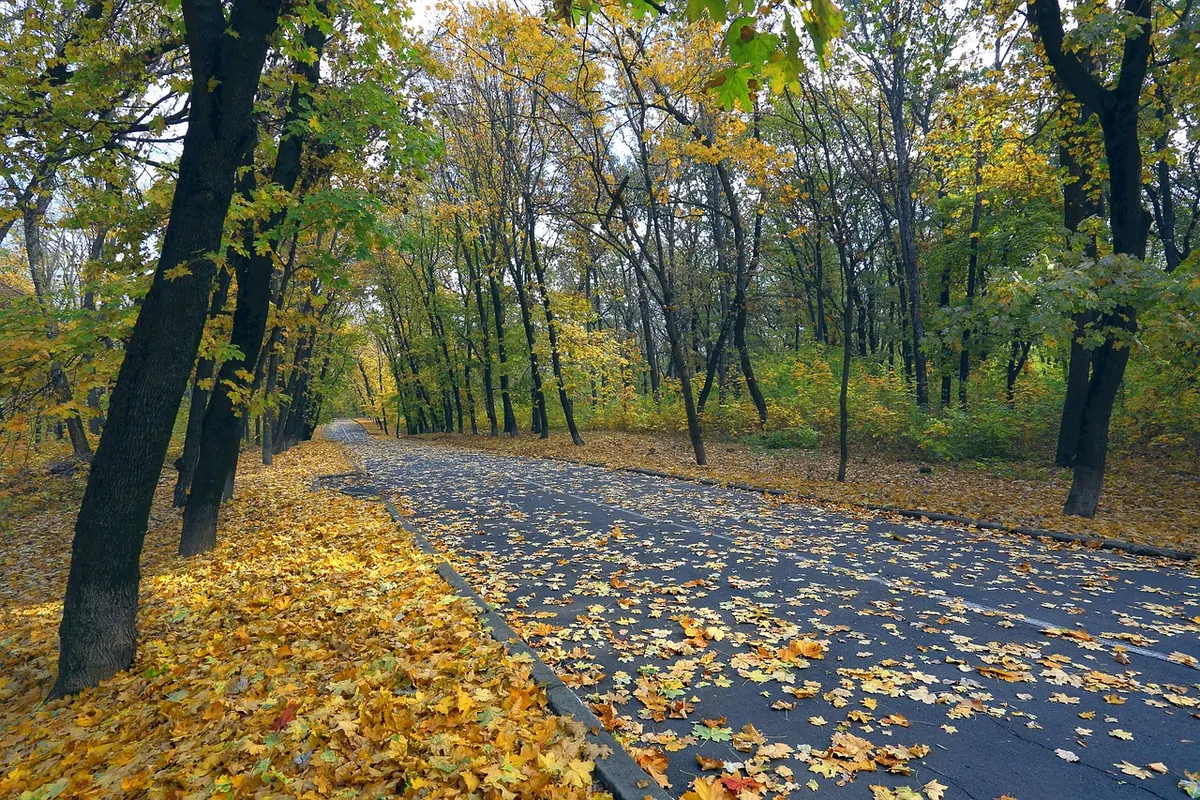
Autumn arrives quietly and then all at once. The clocks go back, the light turns gold by four o'clock, and something in you starts to slow whether you agreed to it or not. This is the one season that asks rather than demands: draw in, take stock, finish what you started in spring. Most of us answer with a longer to-do list and another pot of coffee. There is a better use for shorter days. What follows are eight practices. Some take ten minutes; none require a retreat, a new personality or an expensive notebook.
Begin With the Light, Not the Clock
The real change in autumn is not the temperature but the daylight. Between September and November you lose a couple of hours of usable evening light, and most people respond by squeezing the same routine into a darker window. Try the reverse: move the things you value into the light you still have.
Three adjustments worth making in the first week:
- Shift your walk to lunchtime. A twenty-minute loop at one o'clock will do more for your mood than the same walk at six, in the dark.
- Open the curtains properly every morning. Light on your face in the first hour helps set your body clock, which makes dark evenings easier to accept.
- Dim the house after eight. Lamps instead of ceiling lights, one less screen. Your evenings will feel longer, not shorter.
Keep a Seasonal Journal, Ten Minutes at a Time
Autumn journaling works best when it is small and unglamorous. A cheap notebook by the kettle beats a beautiful leather-bound volume you are afraid to spoil. Ten minutes, most days, is enough to notice patterns you would otherwise carry into winter without seeing them.
Write by hand if you can. The slowness is the point.
Prompts worth returning to
- What did I finish this year that nobody applauded?
- What am I still carrying that belongs to last winter?
- Which three people did I mean to see more of, and what is actually stopping me?
- What felt easy in September that feels heavy now?
- If this season had one word, what would it be?
Answer one prompt per sitting rather than all five. A page of honest sentences is more useful than a tidy list of intentions.
Read Something That Slows You Down
Reading is the cheapest reflective practice available, and autumn is the season for it. The trick is to stop treating books as a queue to be cleared. Three ways to read more slowly and get more from it: re-read a book you loved ten years ago and notice which parts have changed meaning; keep a poetry collection by the chair and read one poem a day, twice, the second time aloud; and choose one book at a time instead of five in progress.
Consider a commonplace book: a single notebook where you copy out sentences that stop you. Not reviews, not summaries, just the lines themselves with a date. After a year you will have a record of your own thinking that no reading app can give you.
Walk Without a Destination
Parks, towpaths, side streets, the edge of a golf course. The route matters far less than the rule: no destination, no podcast, no pace.
Try this. Leave the house with no plan and walk for twenty minutes. On the way back, name three things you would not have noticed from a car: the smell of a wood fire, a tree already bare while its neighbour is still green, the fact that someone has repainted their front door. If you want a physical record of the season, bring home one thing — a leaf, a conker, a photograph — and put it where you will see it in January.
Set Goals That Fit the Season
January is a poor time to make promises. Autumn is better, because you can still act on them before the year ends. Not resolutions, though. A short, deliberate shortlist.
- Write down what you actually finished this year, however small. Most people forget half of it.
- Choose one word for the winter ahead. Steady. Warmer. Tidier. Lighter. Choose the word you need, not the one that sounds impressive.
- Pick no more than three commitments. A fourth will quietly push out the others.
- Put each one in the diary as an appointment, with a day and a time, rather than leaving it as an intention.
- Book a review for the winter solstice, around 21 December, and read the whole list again.
Keep it somewhere visible. A phone note will do; a card on the fridge is better.
Protect Your Evenings and Your People
Dark evenings narrow life to the sofa if you let them. Two small defences: plan social contact in advance, because spontaneous invitations dry up in November, and cook something that takes an hour once a week. Both give the season a texture that scrolling does not.
Worth knowing: for some people the shift in light brings a low mood that does not lift with a walk and a lamp. If that sounds familiar, speak to your GP. Seasonal low mood is well recognised and there is proper help for it. Do not simply push through until spring.
Choose Two, Not Eight
Read as a list, eight practices look like a plan. In practice, they become a set of things you feel vaguely guilty about by Bonfire Night. So choose two. Write them into your diary with a day and a time attached, and treat them as you would a dentist appointment. Journal on Tuesday and Thursday mornings, say, and walk at lunchtime on weekdays.
Run those two until the solstice. Then read your notes, decide what helped, and choose again for the deep part of winter. The aim is not to be more productive in the darker months. It is to pay attention while they pass, so that when the light returns you know what you spent it on.
Photo: Alex_vagler / Pixabay